Cardiac MRI technology
A non-invasive diagnostic technique to create detailed pictures of your heart and major blood vessels to help diagnose and treat heart problems.
20+leading colorectal and gastroenterology consultants
4state-of-the-art operating theatres
50private en-suite beds
Next-day appointments
State-of-the-art diagnostics
Intensive Treatment Unit (ITU)
If you have appendicitis, our general surgeons can carry out an appendicectomy to remove it.
Screening for bowel and colorectal cancer. HCA UK has the facilities and expertise to screen for and diagnose bowel cancer.
A bowel examination, an effective way of diagnosing bowel conditions or removing colon polyps.
A CT colonoscopy - or virtual colonoscopy - is a minimally-invasive way of checking for colon diseases and colon cancer.
We offer a wide range of diagnostic and therapeutic endoscopy procedures including gastroscopy, ERCP, colonoscopy, bronchoscopy and more.
A procedure to remove a diseased part of the colon.
Keyhole or minimally invasive laparoscopic techniques are used to repair your abdomen from a hiatus hernia.
This an endoscopic procedure used to investigate problems with the upper part of your digestive system.
Piles can be uncomfortable and cause irritation but they can easily be removed with a surgical procedure called a haemorrhoidectomy.
Accessing private health care
Self-pay
You don’t need health insurance to be seen quickly. If you’re looking for a diagnosis or treatment and don’t want to wait, all our private healthcare services – from private GP appointments through to surgery and aftercare – can be paid for as and when you need them.
And, to give you peace of mind from the start, we’ll offer you a clear and transparent quote outlining exactly what’s included in your self-pay package.
01
Initial consultation
02
Tests and scans
03
Treatment
04
Follow-up and ongoing care
We treat a wide range of digestive health conditions, from common concerns to complex issues, with expert care tailored to your needs. These include:
If you're experiencing ongoing or unexplained symptoms affecting your digestive system, then you may need to see a gastroenterologist. These symptoms might include:
If your GP suspects you may have a digestive health issue, they can refer you to a gastroenterologist for further investigation and specialist care.
The gastrointestinal (GI) tract is divided into two main sections – upper and lower – based on the part of the digestive system they involve:
Your consultant will start with a detailed consultation and review of your symptoms and medical history. Depending on your condition, they may recommend further tests including:
You don’t always need a referral to see a specialist – you can also book a private appointment directly if you’d like a faster diagnosis or peace of mind without the wait.
However, if you're using health insurance, most insurers will ask for a referral letter from a GP (NHS or private) before authorising treatment.
If you're unsure whether you need a referral, feel free to get in touch . Our team can advise you and will be happy to help.
Booking an appointment is simple. You can contact us directly by phone or book an appointment with a consultant of your choice. Our team will help match you with a suitable consultant based on your symptoms and preferences.
If you're using health insurance, you’ll need a referral letter from your GP before we can confirm your appointment. If you’re self-funding, you can book directly without a referral in most cases.
We offer flexible appointment times, including next-day availability at many of our locations.
Yes. Early detection is key, and our team will help you choose the most appropriate screening based on your age, symptoms and medical history. This may include blood tests, stool tests, imaging, or endoscopic procedures such as a colonoscopy.
A gastroscopy involves gently passing a thin, flexible tube with a camera through the mouth to examine the oesophagus, stomach and upper small intestine. A colonoscopy uses a similar approach via the rectum to examine the large bowel (colon).
These procedures are usually quick and carried out with sedation if needed, to ensure you feel as comfortable as possible. We’ll explain everything beforehand and support you throughout.
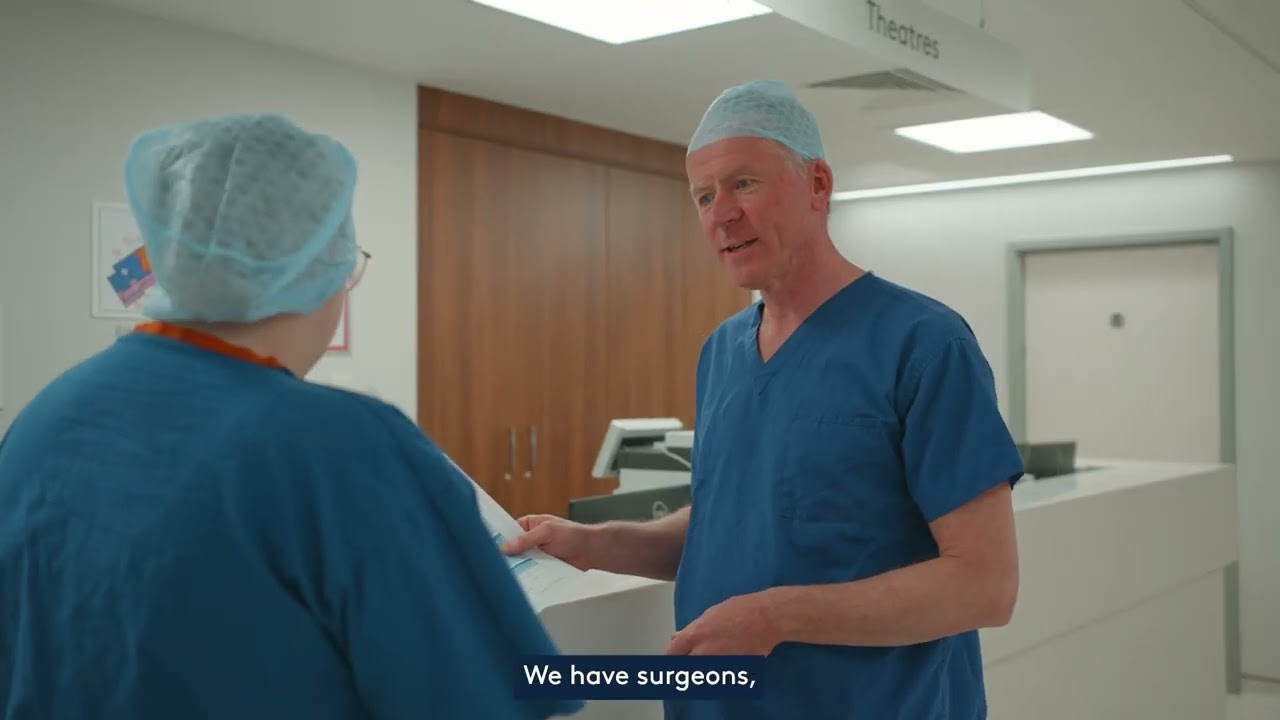
“We offer a full range of surgery, from minor general procedures like hernia repair to complex colorectal surgery, including bowel cancer treatment and advanced cytoreductive surgery with heated intraperitoneal chemotherapy.”
